Hofu Tenmangu Shrine
Open by month
Open in January. No seasonal closure recorded. New Year (Dec 29 – Jan 3): open.
Open in February — at its best. Plum blossoms, mid-Feb to early Mar; Goshinko-sai (naked men's festival), 4th Saturday of November.
Open in March — at its best. Plum blossoms, mid-Feb to early Mar; Goshinko-sai (naked men's festival), 4th Saturday of November.
Open in April. No seasonal closure recorded.
Open in May. No seasonal closure recorded.
Open in June. No seasonal closure recorded.
Open in July. No seasonal closure recorded.
Open in August. No seasonal closure recorded.
Open in September. No seasonal closure recorded.
Open in October. No seasonal closure recorded.
Open in November. No seasonal closure recorded.
Open in December. No seasonal closure recorded. New Year (Dec 29 – Jan 3): open.
Checked against the official site on 2026-10-15.
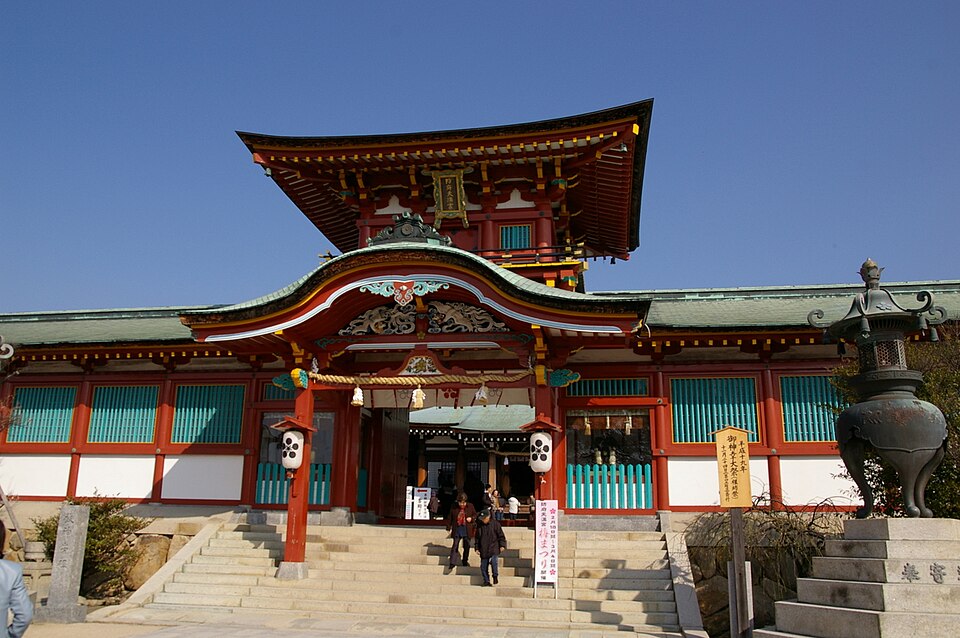
Said to be the first of Japan's some 12,000 shrines to Sugawara no Michizane, god of learning. A vermilion gate and halls stand above a long approach, with views over Hofu from the Shunpuro tower.
Nearby
- Mohri Garden and Mohri Museum ≈ 10 min by car
- Yuda Onsen ≈ 40 min by car
- Rurikoji Temple Five-storey Pagoda ≈ 45 min by car
- Joeiji Temple Sesshu Garden ≈ 45 min by car
- Sasanami-ichi Post Village ≈ 1 h by car
Travel times are rough estimates by car.
- Best time
- February, March — Plum blossoms, mid-Feb to early Mar; Goshinko-sai (naked men's festival), 4th Saturday of November
- Getting there
- About 15 min walk from JR Hofu Sta. (or 5 min by bus to Hofu Tenmangu stop)
- Fee
- Free (History Museum ¥800; Hoshoan tea house ¥800 with matcha)
- Good to know
- Gates open 6:00-20:00, no closing days. Over 400,000 visitors in the first three days of the New Year
- Time needed
- 1 h
Checked against the official Japanese website on 2026-10-15. Report outdated info